Expansion
Past, Present and Future

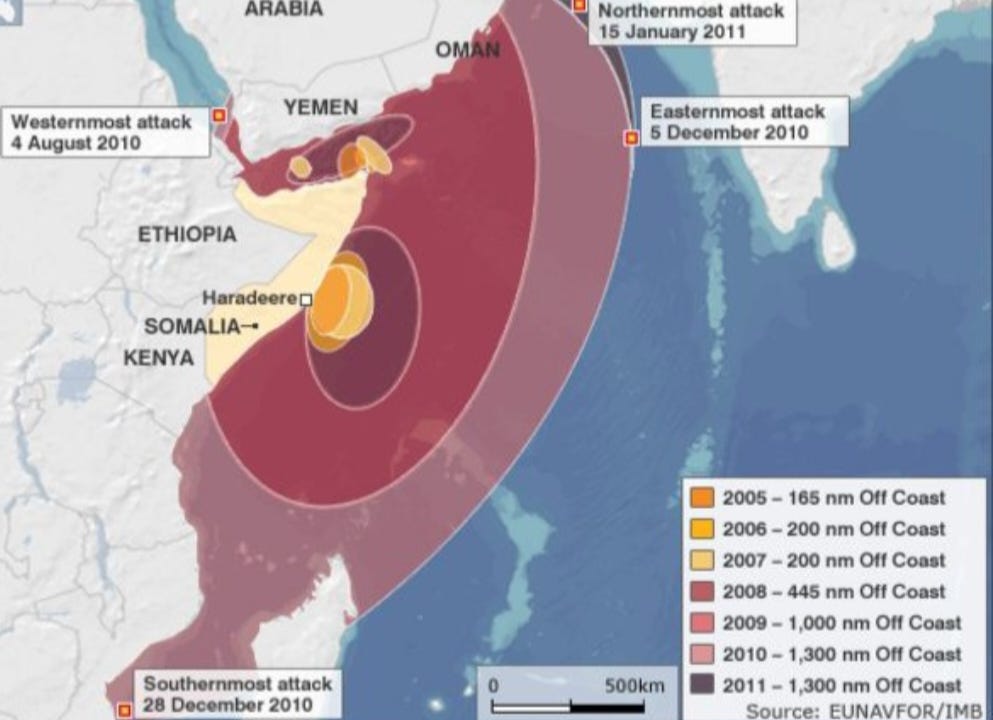
As mentioned in previous posts, Hawiye had begun the first known migration on the Somali Peninsula. Over a few decades before the 2nd millenia they had come to occupy large parts of South Central Somalia and parts of Ethiopia, Djibouti and Kenya.

Gli Hauia dello Scebeli tendono anche essi a SO ed hanno gruppi già sul Giuba meridionale, altri numerosi nel Doi el altri ancora nella zona di Brava. È da notare che il movimento verso SO è più celere per le tribu Hawiya piu settentrionali e quindi più lontane dai fiumi. Cioè per gli Habar Gidir ed i Wa’ēslä sono già andati diramandosi fra le stesse tribu Hawiyya più vicine di loro al fiume. É proverbio tra gli Hawiya che “Orma Rivolta a Sud non torna a Nord.”
The Hauia of the Shebeli also tend to the SW and have groups already in southern Juba, others numerous in the Doi and still others in the area of Brava. It should be noted that the movement towards the SW is faster for the more northerly Hawiya tribes and therefore further away from the rivers. That is, for the Habar Gidir and the Wa'ēslä they have already branched out among the same Hawiyya tribes closest to the river. It is a proverb among the Hawiya that "Footprint Turning to the South does not return to the North."
At their peak, the Hawiye Somali country had exterted their influence as far as Pate (Lamu) and beyond.
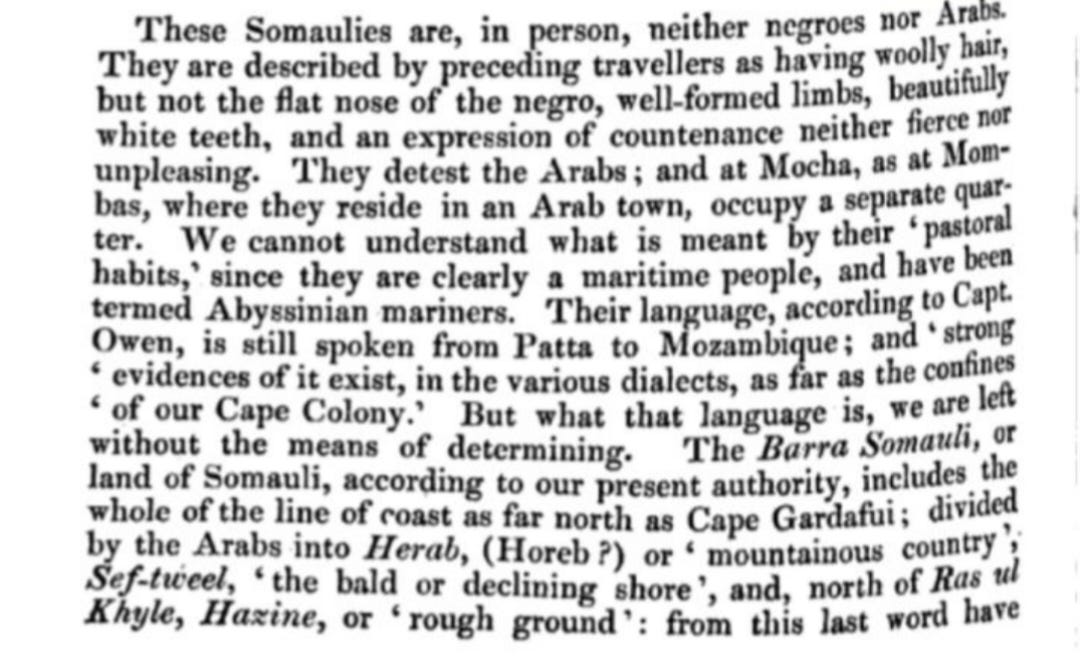
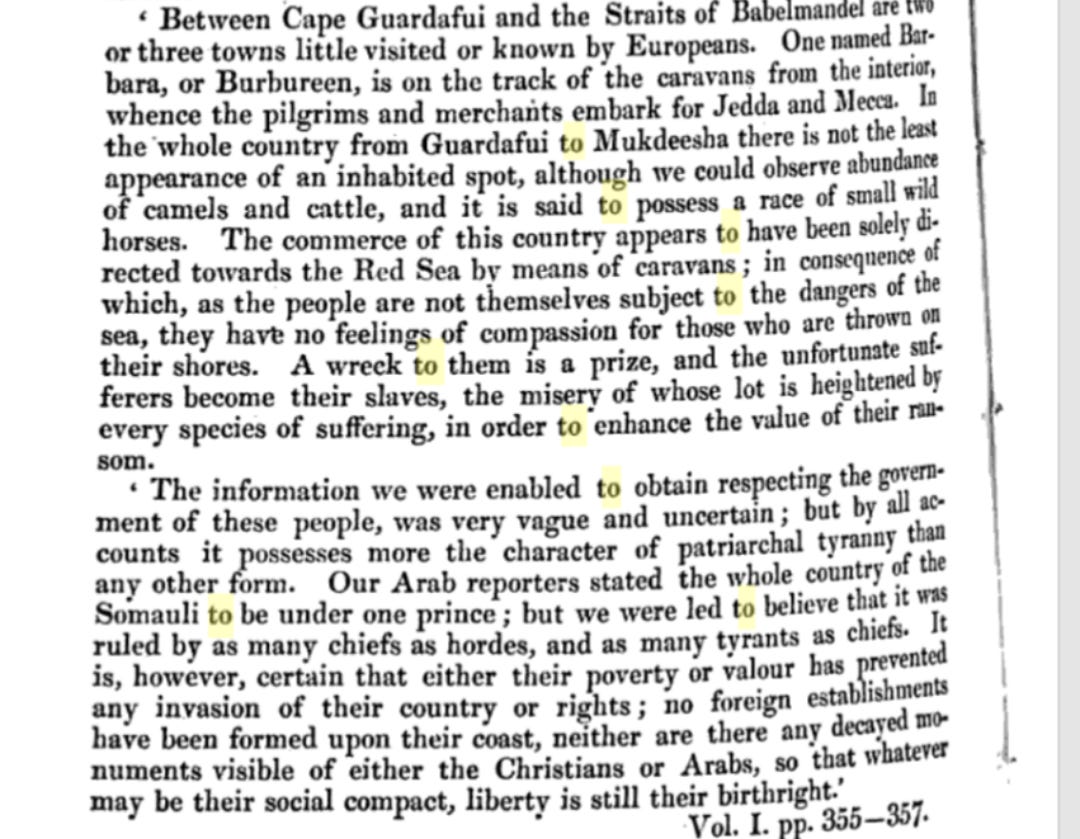
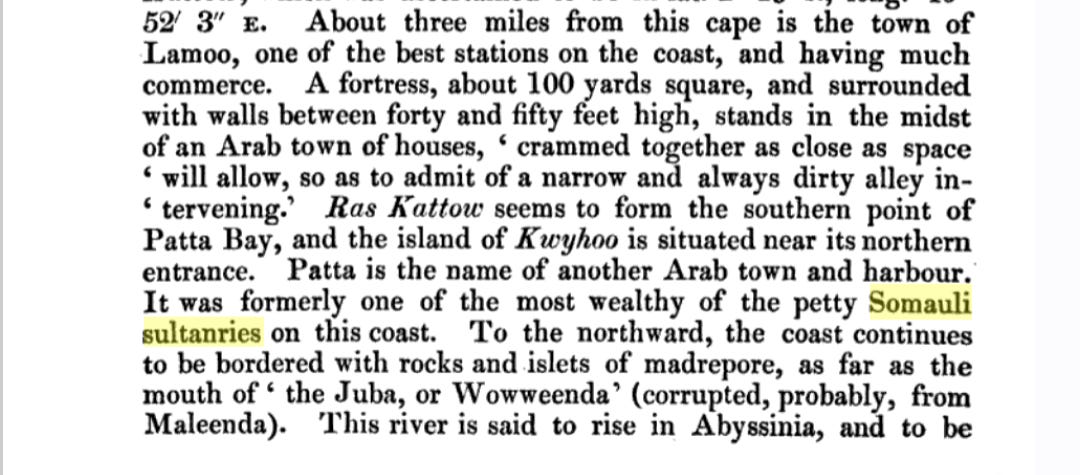
We will be looking at some of the expansion taking place with a focus on the western direction of Ethiopia and the southern expansion in Kenya.
Kenya
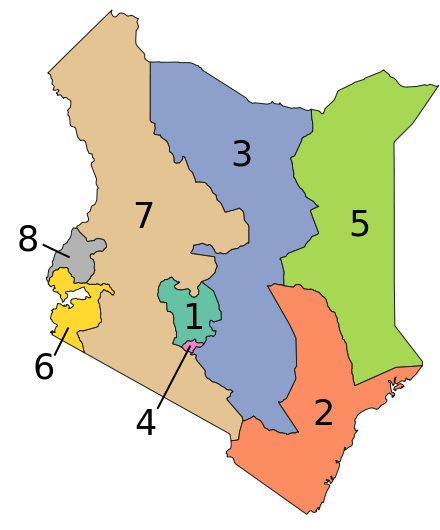
Out of the Kenyan republic’s 8 regions, Hawiye have established settlements in half of them - Northeastern province (5), Coastal province (2), Eastern province (3) and the Rift Valley (7).
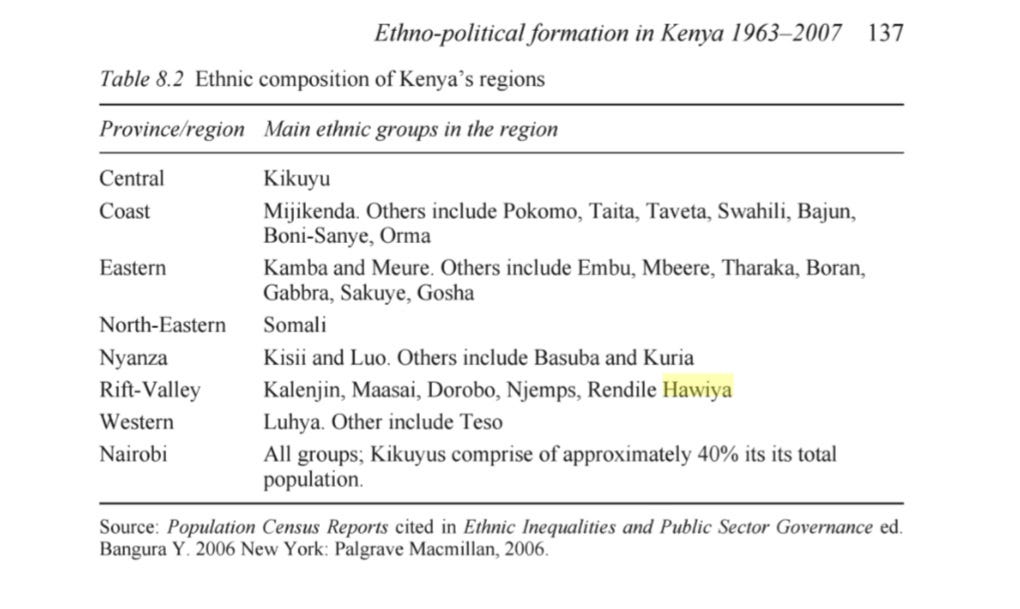
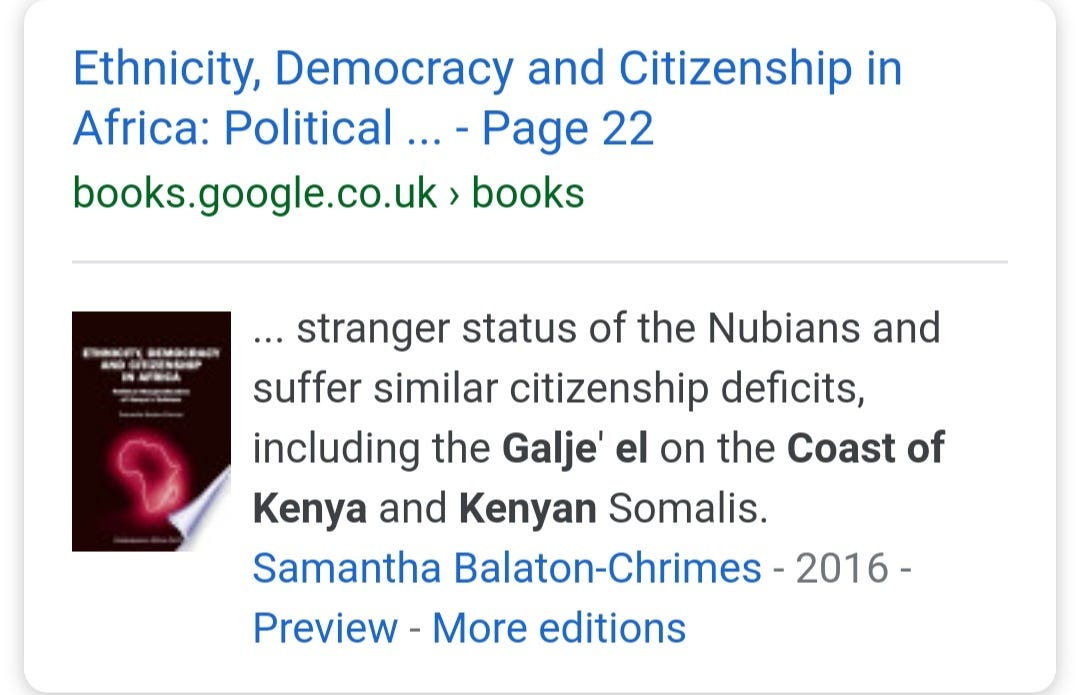
Besides the known Hawiye of the Northeastern Provicnce (NFD) - Murule, Tuff Garre, Degodia and the Ajuran- the Rendile and Sakuye, groups based in all the Eastern provincial districts such as Marsabit, Moyale and Isiolo, also have some traditions it is said based on Somali descent. They had lost their connection to Somalis after wars weakening them and forced migration to assimilate with local cushitic nilotic groups like the Borana and Turkana. The Gaaljecel, long branded as bandits with citizenship issues, have inhabited the Coast Province particularly in Lamu district and the Tana River district since the end of the 1800s. These tribes in Kenya all share a similar livestock rearing culture as the rest of their kinsman on the mainland.

The majority of Hawiye tribes in the NFD migrated to Kenya from Jubaland and a few from Ethiopia. It was said they had reared the best livestock in Giuba e Oltregiuba (Jubaland and parts of Gedo, Bay, Bakool) which tempted the nomads to expand for far reaching areas for pasture.
We are immediately impressed by the prosperous conditions of camels and cattle. It is not for nothing that we are in the territory of the Hauia, rightly considered as the best shepherds in Somalia
The Degodia and Murule arrived after migrating from Gedo during the early years of colonialism - prior they had ruled a pariah state, a sultanate in Luuq that challenged the hereditary Gasaar Gudde sultanate on the other side of the river.
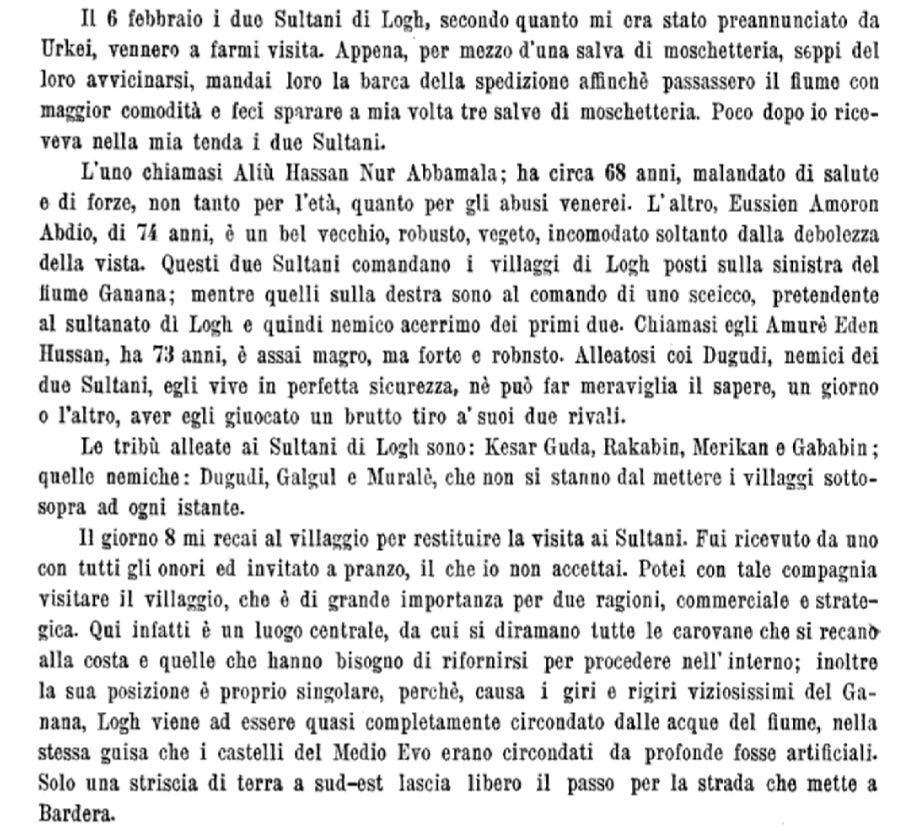
On February 6, the two Sultans of Logh, according to what had been announced to me by Urkei, came to visit me. As soon as, by means of a volley of musketry, I stopped their approach, I sent them the boat of the expedition so that they could pass the river more comfortably, and in my turn I fired three barrels of musketry. A little later I received the two Sultans in my tent. The one is called Aliù Hassan Nur Abbamala; is about 68 years old, in poor health and strength, not so much for age as for venereal abuse. The other, Eussion Amoron Abdio, aged 74, is a handsome old man, robust, healthy, bothered only by weakness of sight. These two Sultans command the villages of Logh located on the left of the Ganana River; while those on the right are under the command of a sheikh, a pretender to the sultanate of Logh and therefore a bitter enemy of the first two. He is called Amurè Eden Hussan, he is 73 years old, he is very thin, but strong and robust. Allying himself with the Dugudi, enemies of the two Sultans, he lives in perfect safety, nor can it be surprising to know, one day or another, that he has played a bad trick on his two rivals. The tribes allied to the Sultans of Logh are: Kesar Guda, Rakabin, Merikan and Gababin; the enemy ones: Dugudi, Galgul and Muralè that they are not trying to turn the villages upside down at any moment.
The history of the movement known as the Kenya Shifta War of 1963-1967 led by the NFDLA (Northern Frontier District Liberation Army) can be found below
https://medium.com/@muturi/kenya-that-was-never-kenyan-the-shifta-war-the-north-eastern-kenya-e7fc3dd31865
Ethiopia
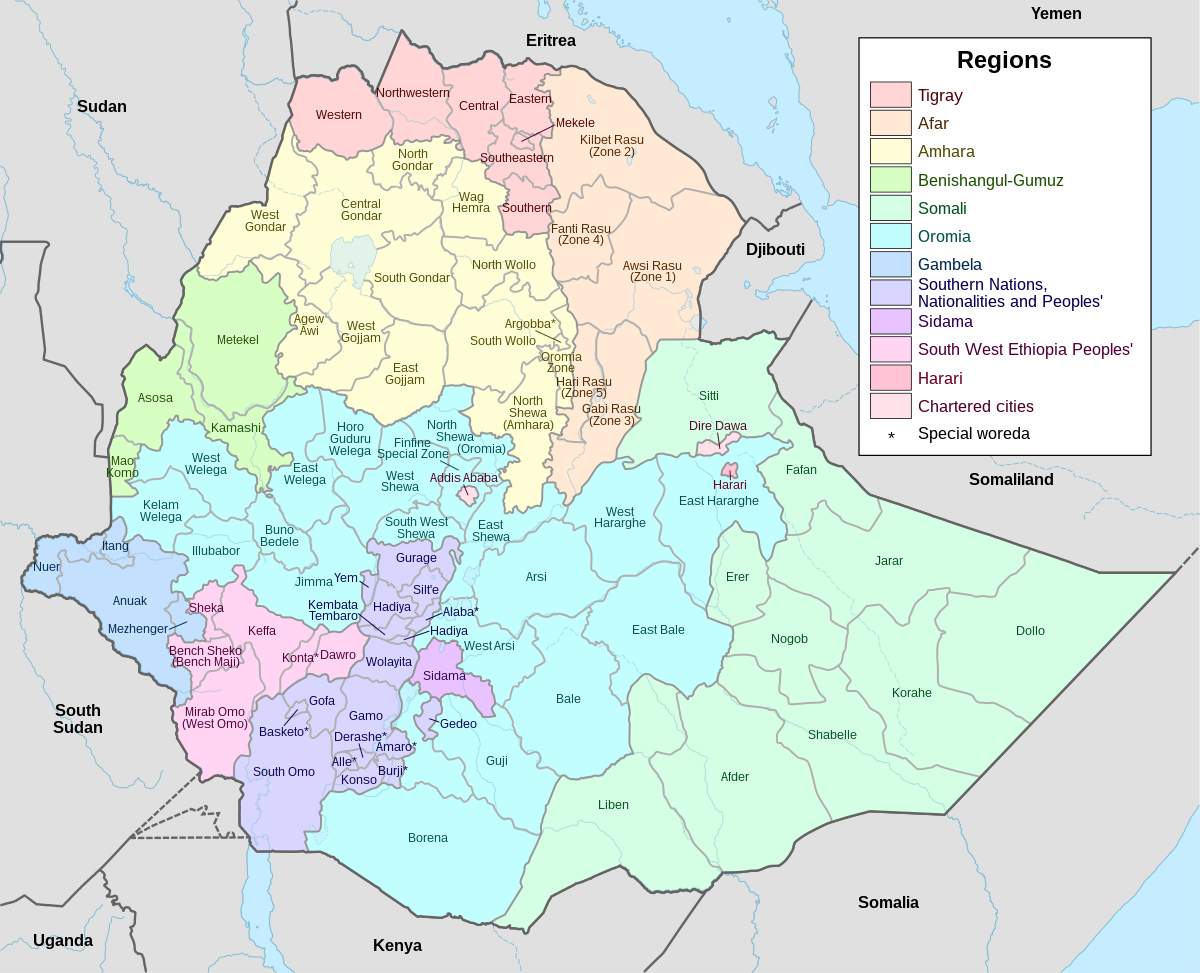
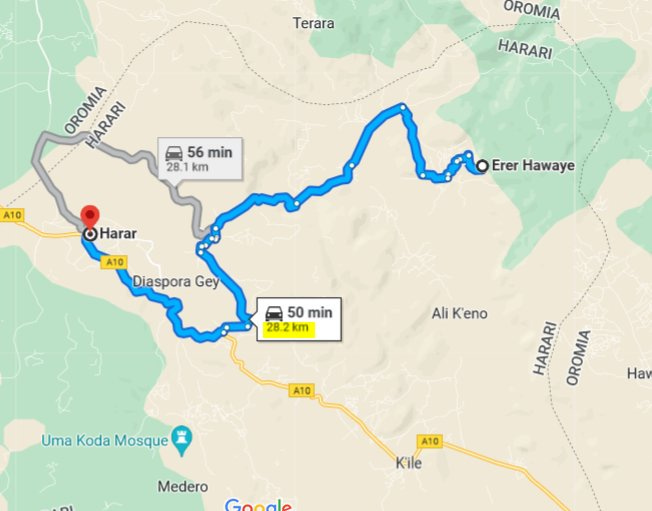
The Hawiye traditionally state their forefathers were from the highlands of northeast Ethiopia, particularly the Harar plataeu, which provided them with a base to soon conquer territories in the eastern Somali region, Afar, Oromia and Shoa (where Amhara, Oromo, Gurage, Hadiye and Silte all meet).
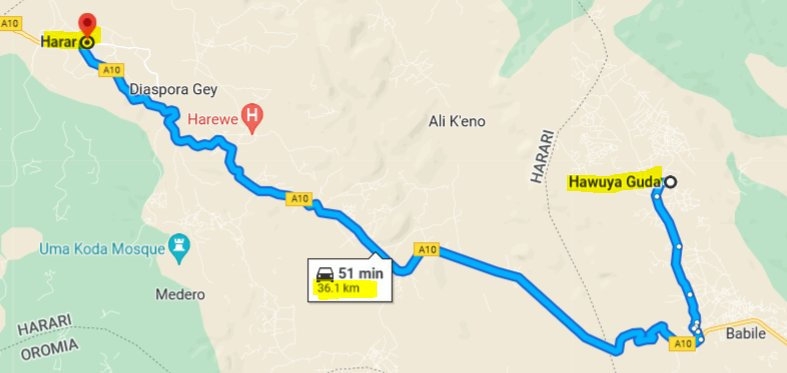
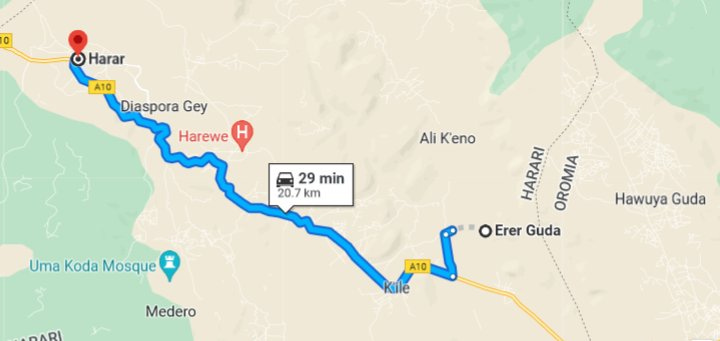
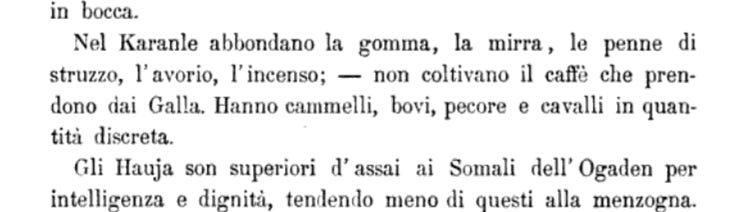
In the region of Karanle, gum, myrrh, ostrich feathers, ivory, frankincense abound - they do not grow the coffee as they get it from the Galla. They have camels, cattle, sheep and horses in fair quantities. The Hauija are far superior to the Somalis of Ogaden in intelligence and dignity, tending to lie much less than others.
The Hawiye had been in the Oromia regions particularly Arussia and Western Bale since the time of Sheikh Nur Hussein who travelled from Merca in the 13th century to teach religion to the many pagan nomadic tribes of Ethiopia.
The Bale Revolt of 1963 led by the SALF (Somali Abo Liberation Front) was also inspired by the new Republic in conjuction with General Daud Abdulle Hirsi the chief of staff of Somali defence forces (Hawiye Abgaal). The SALF founders were said to have relation and shared descent with many Karanle and Ajuran clans.
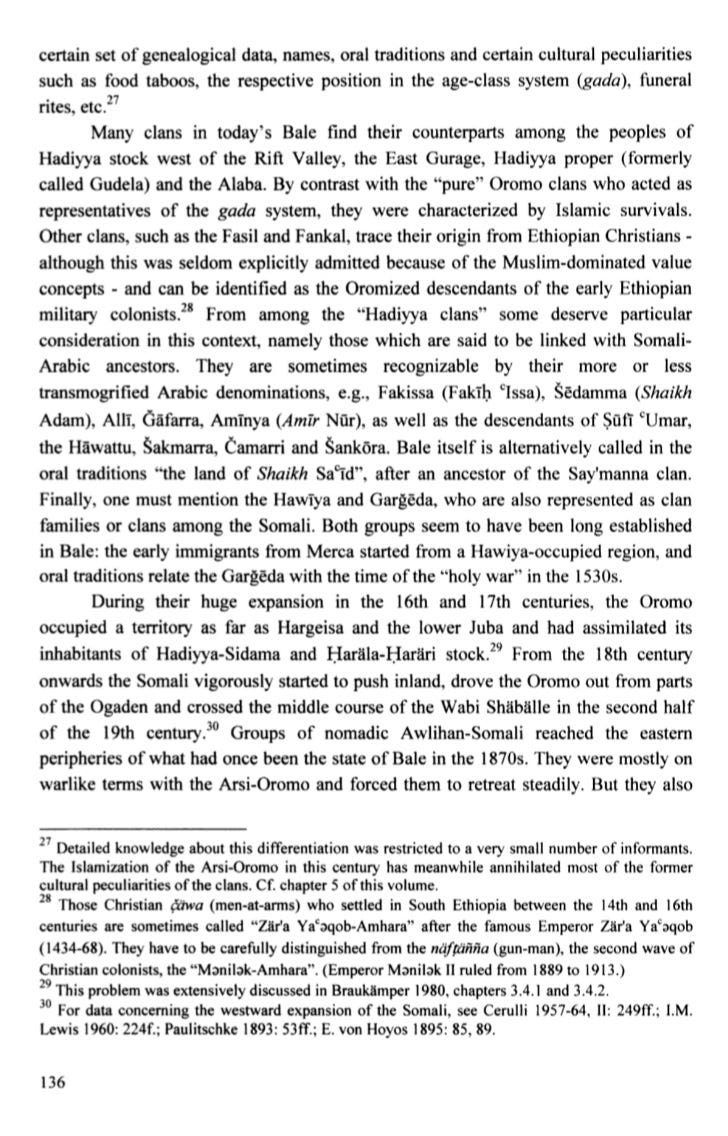
Somalization of the Bale province started from the time of the Sheikh's missionary work in the 13th century and was still ongoing as late as 1972. The river Shabelle served as a lifeline to expand to the smaller branched rivers (Erer, Fafan, Dakhato, Ganale, Gestro etc).
In Bale province, between the Webi Shabeli and Gannale rivers, are found tribes of the Hawiya and Sab groups. The westernmost expansion of the Somali within Ethiopia has crossed the Gannale river into the territory of the Borana Galla, upon which the Somali tribes continue to enroach to this day.
In the Afar region the Hawiya and Issa Somalis battle Afar militia over grazing rights and access to the Awash river and the railway to Djibouti.1
The Afar zone three which is a home for Awash and Gewane rivers and pastoralist and non pastoralist communities, holding great potential for water and grazing activities vital for livestock production is the center for the conflict between Afar and Somali pastoralist communities. Afar elders noted that the Somali (Issa and Hawiya) communities not only relentlessly covet to access water and pasture but also to control this resource rich areas and trading route and establish permanent settlements and institutions within the Afar region.
Djibouti
The historic region of Djibouti is argued in traditional text to have been some of the first Somali points of entry into the Horn of Africa though comparatively small with an even smaller Hawiye presence. With the exception of the Fiqishini Hawiye subclan in Somaliland (a defacto state formely called northwestern Somalia) we also find the Babille Hawiye group who graze in the Ali Sabieh region of Djibouti. The Babille Hawiye subclans include Karanle, Xaskul, Gugundhabe and Sheekhaal, who roam the area Gursum, Jigjiga, Babile, Harar and along the railway route to Djibouti such as Mulu, Hardim and Afdam.

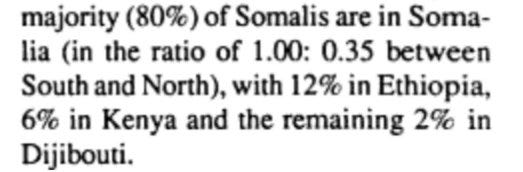
It is by virtue of early expansion, migration and commercial conquest that Hawiye is argued to be the largest Somali tribe according to the UN, the CIA among others. They form almost 40% of the current Somalia. Somalia comprises 80% of the Somalis including those in neighbouring countries however, the Hawiye retain an approxmite 50% in the Somali areas of Kenya, a smaller percentage in Ethiopia and negligable in Djibouti.

Berhane, Meressa (2013). Implication of the Afar-Somali pastoralist conflict on the socio-economic rights of residents in Afar Region Zone Three. p. 1